Oil painting -> List of Painters -> Vanessa Bell
 |
Personal Details
|
Early Life and Background
Vanessa Bell was born in 1879 in London as Vanessa Stephen, the daughter of Sir Leslie Stephen, a prominent writer, and Julia Prinsep Stephen. Her family fostered an environment of intellectual stimulation and creativity, influencing both her and her sister, Virginia Woolf, who would later become a celebrated writer. Vanessa's early life was marked by the tragic death of her mother when she was just 13, a loss that deeply affected both sisters. Despite this hardship, Vanessa grew up in a household where art and literature were highly valued, shaping her future career.
Artistic Education and Influences
Bell attended the Royal Academy Schools, where she received formal training in painting. Early in her career, she was influenced by the Post-Impressionist movement, particularly the works of artists like Paul C?zanne, Henri Matisse, and Georges Braque. Her use of bold colors, simplified forms, and an emotional approach to her subjects was reflective of the modernist trends that were emerging at the time. These influences helped Bell develop her distinctive style, which would evolve over the years to focus on both portraiture and landscape.
The Bloomsbury Group
A defining aspect of Bell's life and career was her involvement with the Bloomsbury Group, an intellectually vibrant circle of artists, writers, and thinkers. This group included her sister Virginia Woolf, economist John Maynard Keynes, and artists like Duncan Grant, with whom Bell had a long romantic relationship. The Bloomsbury Group rejected Victorian values and embraced progressive ideas on art, society, and sexuality. Bell's work, especially during this time, was marked by an exploration of emotional depth, abstraction, and an emphasis on aesthetic beauty. Her artistic expression was both a personal endeavor and a reflection of the group's broader intellectual currents.
Personal Life and Romantic Relationships
Vanessa Bell's personal life was intertwined with her art. She had a significant romantic relationship with Duncan Grant, a fellow artist and member of the Bloomsbury Group. The two had a son, Julian, though Bell was also involved in a complex family dynamic that included her marriage to Clive Bell, another member of the group. Despite the unconventional nature of her relationships, Bell remained closely connected to her family, including her sister Virginia. Her personal experiences, particularly those surrounding love, loss, and family, deeply influenced her artwork, making her portraits and paintings often introspective and psychologically rich.
Interior Design and the Charleston Farmhouse
In addition to her work as a painter, Vanessa Bell was heavily involved in interior design, often collaborating with Duncan Grant. One of their most famous design projects was the transformation of Charleston Farmhouse in East Sussex, which became the home and gathering place for many members of the Bloomsbury Group. The farmhouse was filled with Bell's distinctive designs, featuring bold, geometric patterns and vibrant colors. The house itself became an artistic masterpiece, showcasing the combination of Bell's artistic flair and her progressive views on the role of art in everyday life.
Artistic Style and Contributions
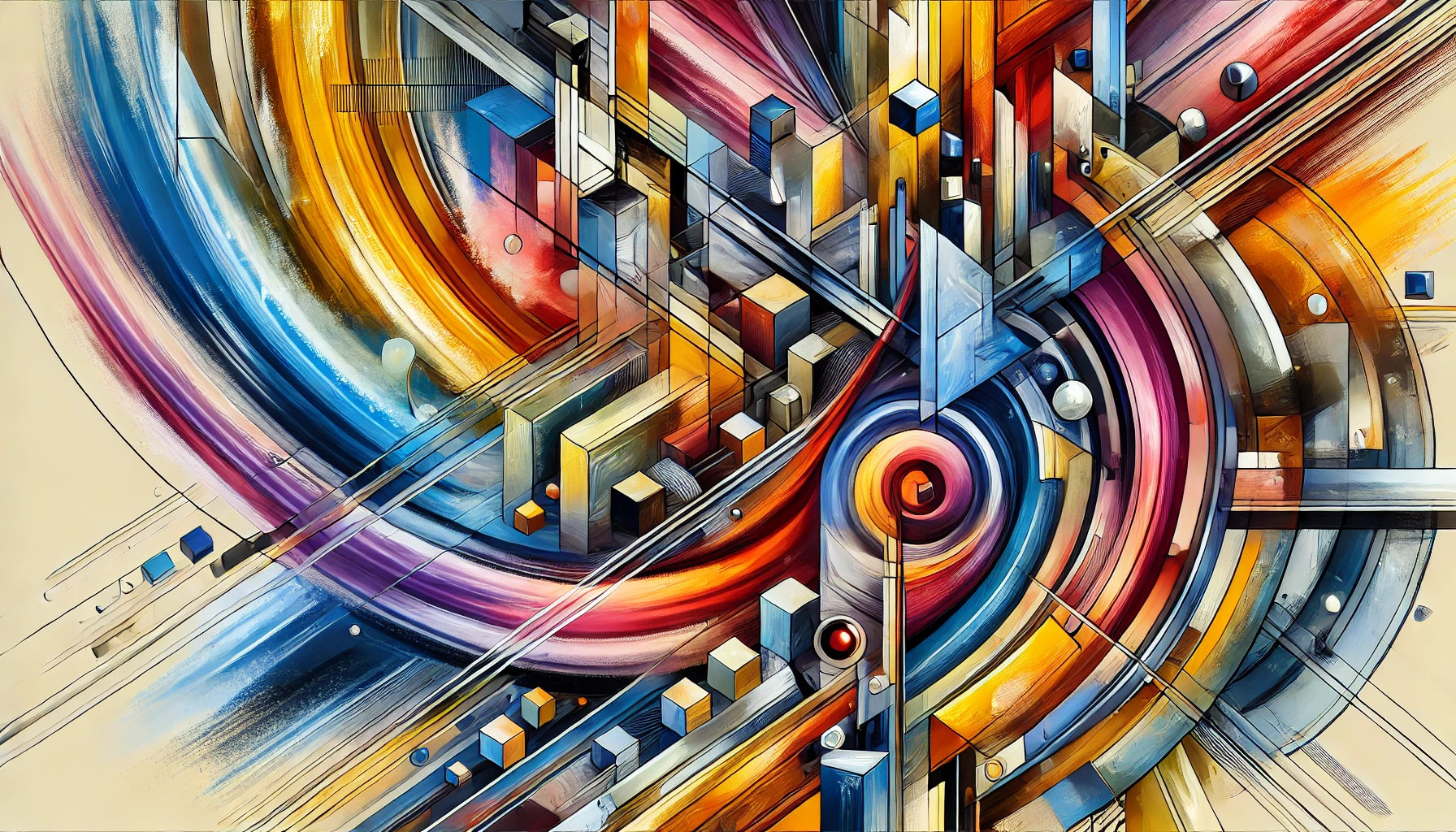
Bell's painting style evolved over her lifetime. Initially influenced by Post-Impressionism, she gradually moved towards a more abstract approach, incorporating elements of modernist techniques into her works. Her portraits, often of friends and family members, were characterized by a deep emotional resonance and a psychological intensity. Bell's use of color was especially significant, with her preference for strong, vibrant hues that gave her paintings a sense of energy and immediacy.
Although Bell's works were sometimes overshadowed by the fame of her contemporaries, including Virginia Woolf, she became recognized in her own right as a pioneering figure in British modernism. Her commitment to exploring human emotion and her distinctive approach to portraiture and interior design ensured her place in the history of art.
Legacy and Recognition
Vanessa Bell passed away in 1961, but her legacy has continued to grow. Over time, her contributions to modernism, both in art and design, have been more widely appreciated. Bell's works are now considered to be bold and forward-thinking, reflecting the intellectual and cultural ferment of her time. Her unique combination of modernist techniques, emotional depth, and a strong sense of color has earned her a significant place in the history of early 20th-century British art.
Today, Vanessa Bell is recognized as one of the foremost artists of the Bloomsbury Group and an influential figure in the development of modernist art in Britain.
Works Of Vanessa Bell:
|
|
|