Henri Matisse
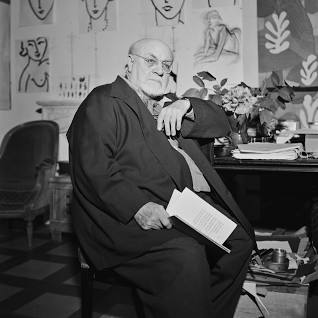
Personal Details:
Name |
Henri Matisse |
Place of birth |
Le Cateau-Cambr?sis, France |
Year of Birth |
1869 |
Year of death |
1954 |
Nationality |
french |
Paintings |
The Dance, Woman with a Hat, The Plum Blossoms, The Red Room, The Snail, The Swimming Pool |
Henri-Matisse is one of the most famous painters of the 20th century. His work has been celebrated for its vibrant colors, bold shapes, and unique blend of modernism with traditional painting techniques. He was a French artist who worked in a variety of mediums, including painting, sculpture, drawing, and printmaking.
Matisse was born in 1869 in Le Cateau-Cambr?sis, in the Nord department of France. He began studying art at the age of 17, apprenticing with an art dealer in Paris. He went on to study at the ?cole des Beaux-Arts, where he was influenced by the work of Impressionist painters, particularly Claude Monet.
Matisse developed his own unique style of painting, which was characterized by bright colors and simplified forms. His works often featured flat shapes and bold lines, which gave the impression of movement and life. He was also known for his use of pattern and texture to create a sense of harmony and balance in his compositions.
Matisse is perhaps best known for his Fauvist paintings. This movement was inspired by the bold colors of the Impressionists, but Matisse went a step further by using intense colors and exaggerated shapes and lines. His works were often criticized for their lack of realism, but by the end of his career, he had become one of the most respected painters in the world.
Matisse's work was highly influential to the development of modern art. His paintings were often seen as a bridge between traditional painting techniques and the more abstract styles of the modern era. He was also a mentor to a number of younger artists, including Pablo Picasso and Joan Mir?.
Today, Matisse's works are some of the most sought-after and valuable pieces of art in the world. His paintings have been exhibited in museums and galleries around the world, and his work is often featured in books and documentaries. Matisse's legacy as one of the most important painters of the 20th century lives on, and his work continues to inspire generations of artists.
_____________________________________________________