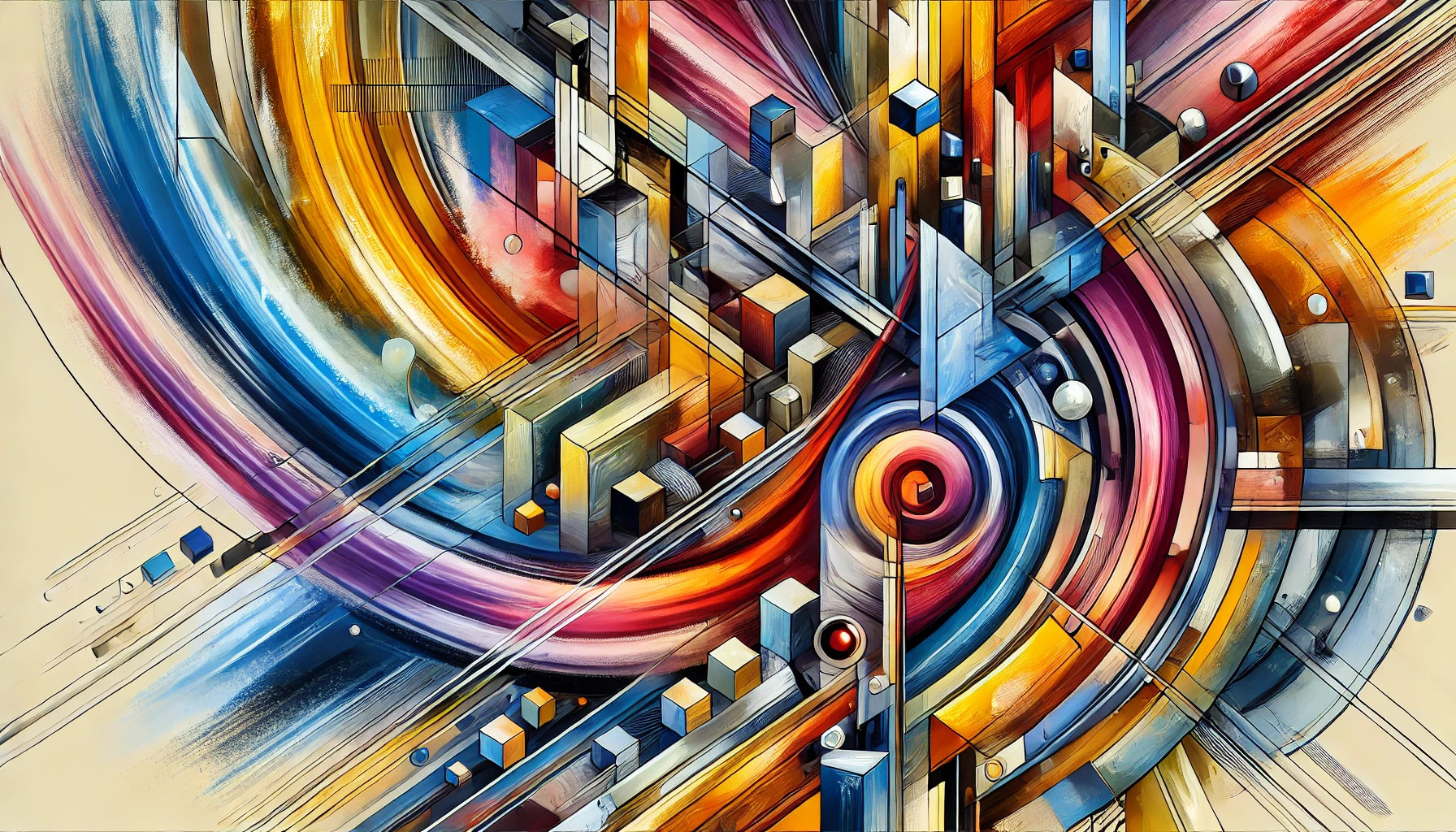
Oil painting -> Philosophy Of painting

Much theory of art is connected with painting. In 1890, the Parisian painter Maurice Denis famously asserted: "Remember that a painting – before being a warhorse, a naked woman or some story or other – is essentially a flat surface covered with colours assembled in a certain order." Thus many twentieth century developments in painting, such as Cubism, were reflections on the business of painting rather than on the external world, nature, which had previously been its core subject.
A recent contribution to thinking about oil painting was offered by Julian Bell, in his book What is Painting?. A painter himself, Bell discusses the development, through history, of the notion that paintings can express feelings and ideas.
The text is witty and sometimes caustic in order to make his points ("Let us be brutal: expression is a joke. Your painting expresses – for you; but it does not communicate to me. You had something in mind, something you wanted to ‘bring out’; but looking at what you have done, I have no certainty that I know what it was...").
Check out our collection of list of painters