| |
Pinchus Kremegne
Pinchus Kremegne (1890-1981), was a Belarusian artist, primarily
known as a sculptor, painter and lithographer. He is considered
one of the great names of contemporary painting.
He was a native of Zhaludak near Lida, and was a friend of both
Chaim Soutine and Michel Kikoine. He studied sculpture at the Vilnius
School of Drawing. He became a target of the pogroms because he
was a Jew and fled to Paris in 1912. In Paris, Kremegne joined the
group of painters of following Montparnasse and soon became one
of the respected residents of La Ruche. In 1915, he gave up sculpture
in order to dedicate himself to painting. It was he who encouraged
Soutine to come to Paris. He left Paris to live in a small town
in the Pyrenees called Ceret. This village which is a little inland
from Collioure attracted other painters such as Soutine. Although
Soutine did not like the town very much he completed astounding
paintings here over a couple of years. He never settled but his
compatriot Kremegne had a house built here around 1960. This small
unassuming house, a reflection of the man himself, is nestled into
the mountain and it overlooks the pretty village. There was a falling
out between the two men perhaps stemming from some ingratitude shown
by Soutine towards a mutual 'mecene' or benefactor who had helped
the two impoverished artists out in their early careers in Paris.
Kremegne's house now has new occupants and it is called the Belvedere.
Later Ceret was to attract other painters such as Picasso. The Picasso
walk goes by Kremegne's house and Ceret has an important museum
exhibiting artists such as Matisse, Picasso etc. There are a few
Kremegne paintings on exhibition here also. A somewhat underestimated
artist today, overshadowed by Soutine, Paris put on a posthumous
one-man show in the Quartier Les Halles in the 90's. A more structured
vision of nature than Soutine's, Kremegne's last paintings prefigure
the work of painters such as Kossof in England.
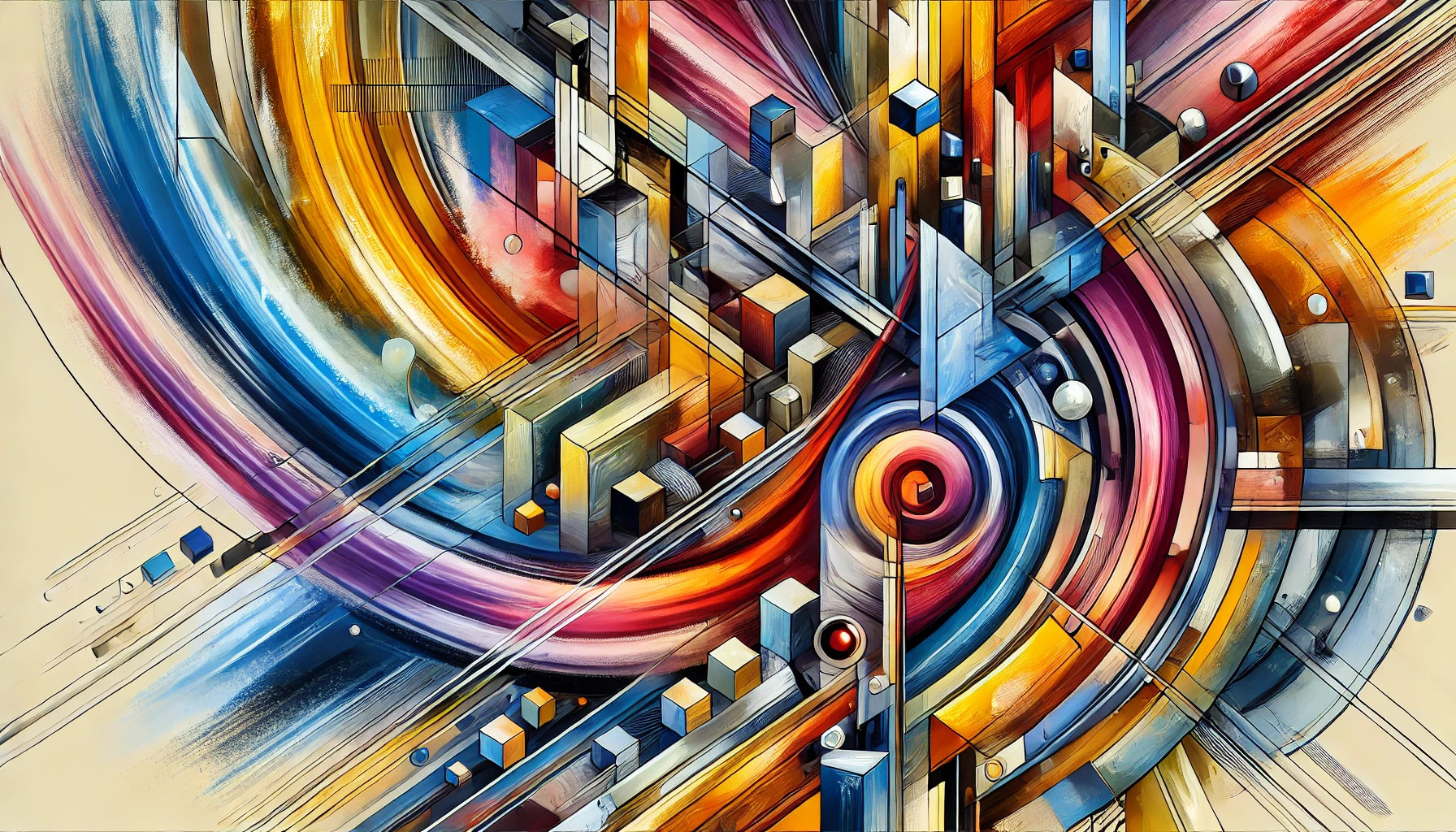
The paintings are the excellent portrayal of the events and scenes
that we see around us. The painters are the best cameras of the
world. They reproduce many different types of pictures. They even
draw imaginary pictures that do not exist in this world. We tend
to use both thinned oil paints and dense oil paints. Masterpieces
can be dyed more than once, but each time it may be different from
the existing paintings.h
|
|
|
|
|
| |
| | | | | | | | | | | | |
|
|
|