Oil painting -> List of Painters -> Vladimir Yevgrafovich Tatlin
 |
Personal Details
|
Vladimir Tatlin was a Russian artist and architect who is best known for his abstract non-objective constructivist works. He is also credited as the father of Constructivism, a movement in Russian avant-garde art and architecture which sought to combine art and engineering. Tatlin was born in Moscow in 1885 and studied at the Moscow School of Painting, Sculpture and Architecture. His works during this period were heavily influenced by Symbolism and Impressionism, but he soon began to explore more abstraction and geometric shapes.
Tatlin's most famous work is the Monument to the Third International. It was an unrealized project designed to be constructed in the form of a spiral-shaped skyscraper, reaching 400 meters in height. The project was intended to be built in Petrograd (now St. Petersburg) in 1919 to commemorate the Third International, a Communist organization. The monument was meant to be a symbol of the Soviet Union and was designed to be a combination of sculpture, architecture, and engineering. The project was never realized due to the civil war in Russia at the time, but it remains one of Tatlin's most iconic and influential works.
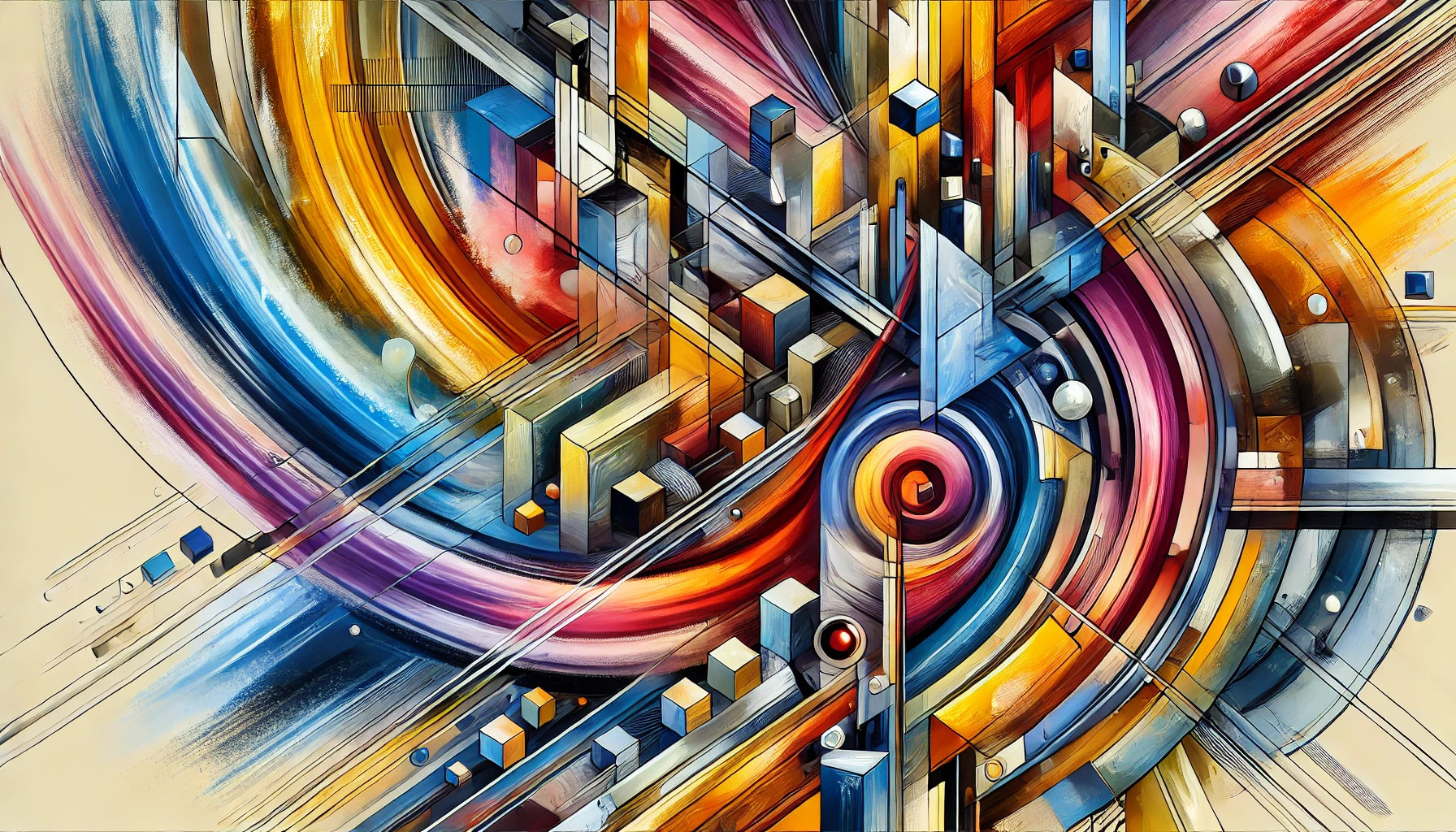
Tatlin's other works were mainly abstract and non-objective constructivist pieces, often involving geometric shapes and optical illusions. He also worked in a variety of media, including painting, sculpture, photography, and film. His works often explored themes of motion and progress, and he was an early adopter of the use of industrial materials such as steel and glass.
Tatlin was a major influence on the Russian avant-garde movement and his works were exhibited widely throughout Europe. He also taught at the Vkhutemas school in Moscow, where he had a great influence on a generation of young artists. His influence extended beyond Russia and his works have been exhibited in museums all over the world.
Vladimir Tatlin was a highly influential artist and architect, who left an important legacy in the world of art and architecture. His monumental work, the Monument to the Third International, is considered one of the most iconic works of the Constructivist movement. His other works, often exploring themes of motion and progress, remain influential to this day and have been exhibited in museums all around the world.
Works Of Vladimir Yevgrafovich Tatlin:
|
|
|