Oil painting -> List of Painters -> Winslow Homer
 |
Personal Details
|
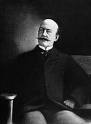
Winslow Homer is an iconic American artist who is widely celebrated for his iconic works of art. He was born in Boston, Massachusetts in 1836 and grew up to become one of the most influential painters in American history. He is best known for his landscapes, seascapes and marine paintings, but also produced genre scenes, illustrations, and portraits.
Homer was a self-taught artist who began his career in the late 1850s working as an illustrator for major magazines such as Harper's Weekly and Scribner's Monthly. He was known for his ability to capture the essence of a scene with a few simple brush strokes. In 1875, Homer left his job as an illustrator and moved to England, where he developed his style of painting and began to focus on oil painting.
During this time, Homer's works began to focus on the marine theme. He traveled to the coast of England, Scotland, and France, and drew inspiration from the coastal landscapes. He would often spend hours studying the sea and its creatures, capturing the beauty and power of the ocean in his works. His most famous paintings include The Gulf Stream, Breezing Up, and Snap the Whip.
Homer's works often portray the power of nature with a sense of awe and reverence. He was able to capture the beauty and majesty of the sea in a way that few other artists could. He also used light and color to convey a sense of mood, emotion, and atmosphere in his works.
Throughout his career, Homer continued to explore different themes and styles. He produced works that featured snow scenes, country scenes, and genre scenes. He also painted portraits of prominent figures, including President Theodore Roosevelt and John Hay.
Homer was a prolific artist who produced hundreds of paintings and prints. His works are now displayed in museums and galleries around the world. He has been credited with revolutionizing American painting and inspiring generations of artists.
Winslow Homer was a groundbreaking artist who continues to be remembered and celebrated. His iconic works of art have become an important part of American culture and history. He was able to capture the beauty and power of nature in a way that few other artists could, and his works continue to inspire and captivate viewers.
Works Of Winslow Homer
|
|
|