Oil Painting ->Encaustic Painting
Encaustic painting, also called "hot wax painting", involves using heated beeswax to which colored pigments are added. The liquid/paste is then applied to a surface—usually prepared wood, though also canvas and other materials.
The simplist encaustic mixture can be made from adding pigments to beeswax, but there are several other recipes that can be used - some containing other types of waxes, damar varnish, linseed oil, or other ingredients. Pure, powdered pigments can be purchased and used, or some mixtures use oil paints or other forms of pigment.
Metal tools can be used to shape the paint before it cools; as well as special brushes. Today, tools such as heat lamps, heat guns, and other methods of applying heat allow artists to extend the amount of time they have to work with the material. Because wax is used as the pigment binder, encaustics can be sculpted, as well as painted. Other materials can be encased or collaged into the surface, or layered, using the encaustic medium to adhere it to the surface.
This technique was notably used in the Fayum mummy portraits from Egypt around 100-300 CE, as well as in many works of the 20th century American artists, including Jasper Johns.
There were two German patents held by Faiss that was related to the preparation of waxes for encaustic painting. One covered a method for treating beeswax so that its melting point was raised from 60 to 100 ?C (140 to 212 ?F). This occurred after boiling the wax in a solution of sea water and soda three successive times. The resulting harder wax is the same as the Punic wax referred to in ancient Greek writings on encaustic painting.
PREPARATION OF ENCAUSTIC PAINTING:
Encaustic painting is prepared by using beeswax that is heated. Once the heated beeswax reaches its low boiling point they are added with colored pigments.Though canvas is used, the general practice is to apply the consistency of liquid or paste in a prepared wood

SAINT CATHERINE'S MONASTERY

Mitzi Humphrey's Assemblage gift
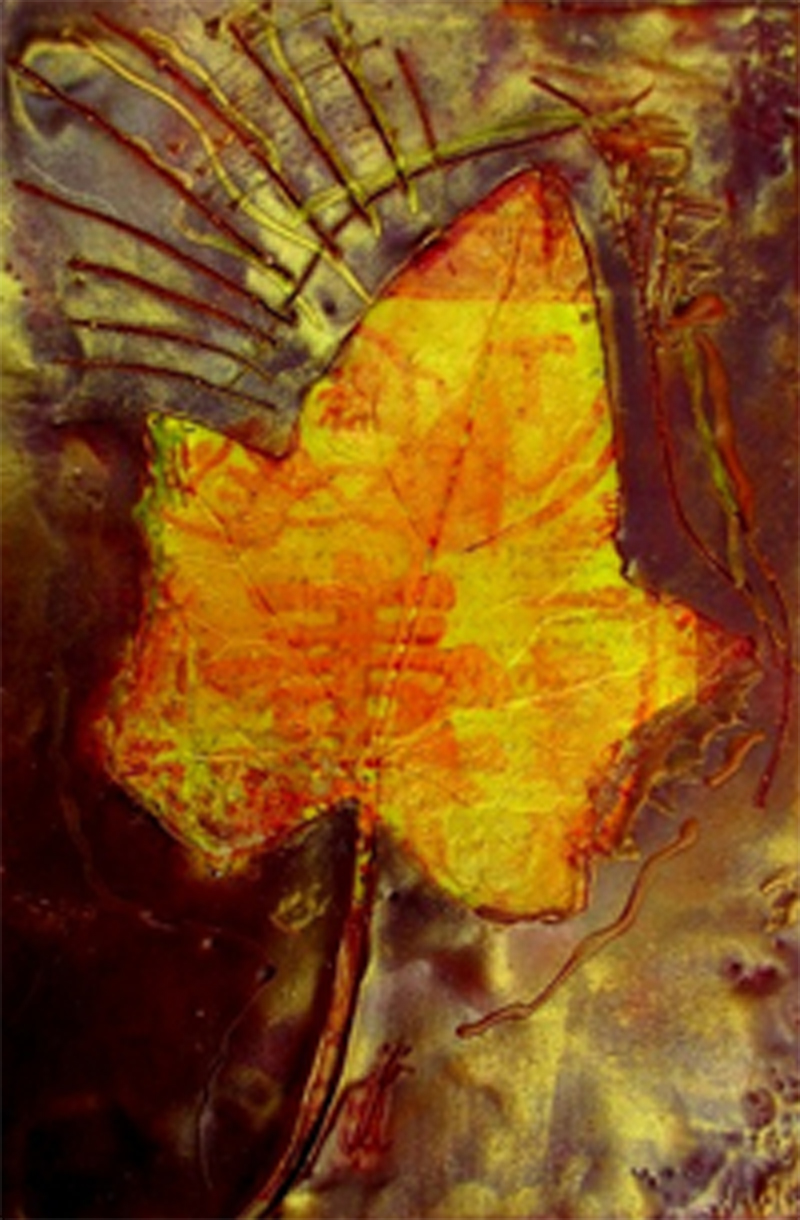
by Mitzi Humphrey