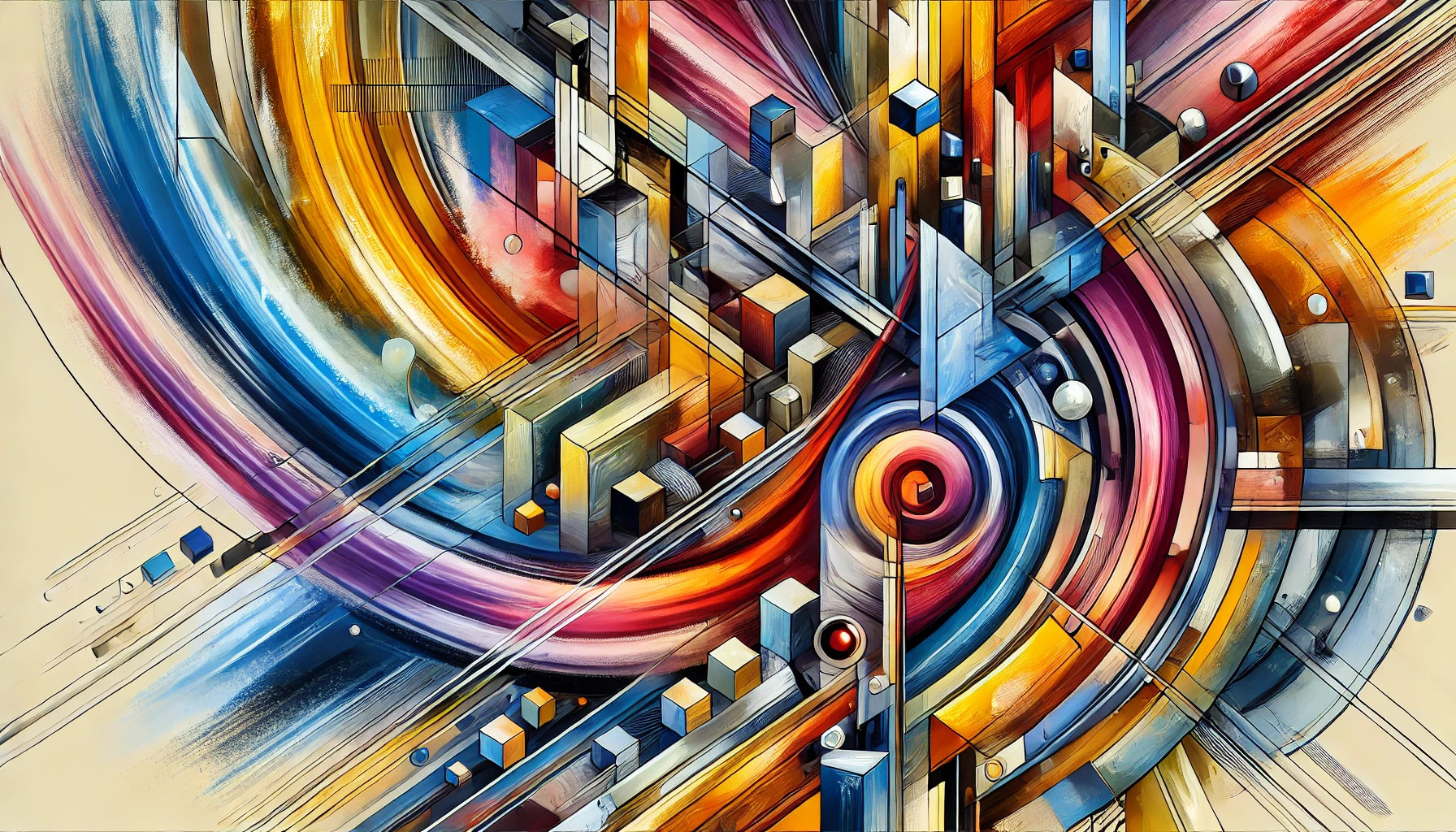
Oil Painting ->Gouache
Gouache (from the Italian guazzo, "water paint, splash") is a type of watercolor paint, made heavier and more opaque by the addition of a white pigment (chalk, Chinese white, etc.) in a gum arabic mixture. This results in a stronger color than ordinary watercolor. Many forms of 'poster paint' are actually gouache, as are some products lablled as tempera
The term was originally coined in the eighteenth century in France, although the technique is considerably older, having been in use as early as the sixteenth century in Europe.
The pigment dries slightly lighter than it appears when wet, which can make it difficult to match colors. The medium can also be susceptible to cracking if applied too thickly; this problem can be alleviated to some degree by the use of thickening media such as aquapasto. It can be very effective when applied to colored paper, for example in works by J.M.W. Turner.
Today the term gouache can be used interchangeably with body color, although the latter is made in a slightly different way. It can also be used as a term for any painting produced entirely with gouache.
Gouache was the original, and is still the primary, paint used in the production of decalcomanias.
One advantage of gouache painting is that it has got the tendency to form layers of acrylic or oil paint.Gouache plays major roles in posters, illustrations, comics and other design works. Using gouache as poster paint is desirable for its speed as the paint layer dries completely by the relatively quick evaporation of the waterGouache lends itself to more direct painting techniques than watercolor by means of its quick coverage and total hiding power.

Aid for the Wounded?
Gouacheache can be done with acrylic or water color. It is advised to have creamy consistency before applying them to the paper. Excess of water or less usage of water might results in streaky washes.
ACRYLIC GOUACHE
Acrylic gouache is a formula of the paint in the relatively new variation. It is opaque and water-resistant surface when dry, water-soluble when wet and dries to a matte.