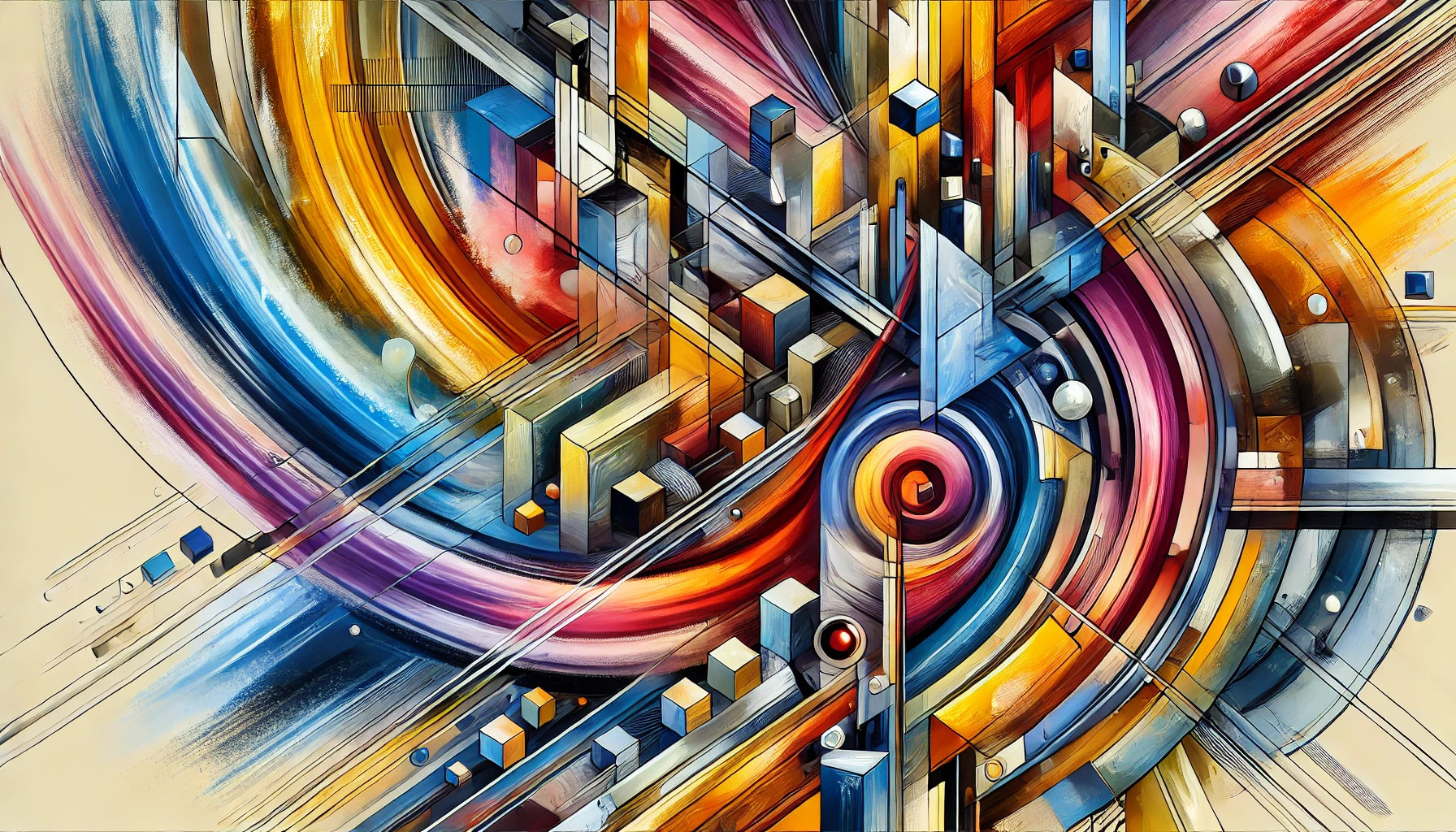
Impasto Painting most commonly refers to a technique used in painting, where paint is laid on an area of the surface (or the entire canvas) very thickly, usually thickly enough that the brush or painting-knife strokes are visible. Paint can also be mixed right on the canvas. When dry, impasto provides texture, the paint coming out of the canvas. The word "impasto" is Italian in origin; in that language it means "dough" or "mixture"; the verb "impastare" translates variously as "to knead", or "to paste". Italian usage of "impasto" includes both a painting and a potting technique.
Oil paint is most suitable to the impasto painting techniques, due to its thickness and slow drying time. Acrylic paint can also be impastoed. Impasto is generally not possible in watercolour or tempera without the addition of thickening agent due to the inherent thinness of these media. Impastoed paint serves several purposes. Firstly, it makes the light reflect in a particular way, giving the artist additional control over the play of light on the painting.
Impasto Painting it can add expressiveness to the painting, the viewer being able to notice the strength and speed applied by the artist.Impasto can push a painting into a three dimensional sculptural rendering.The first objective was originally sought by masters such as Rembrandt and Titian, to represent folds in clothes or jewels,it was then juxtaposed with more delicate painting. Much later, the French impressionists created entire canvases of rich impasto textures.
Vincent van Gogh used it frequently for aesthetics and expression. Abstract expressionists such as Hans Hofmann and Willem De Kooning also made extensive use of it, motivated in part by a desire to create paintings which dramatically record the "action" of painting itself. Still more recently, Frank Auerbach has used such heavy impasto that some of his paintings become almost three-dimensional. Because impasto gives texture to the painting, it can be opposed to flat, smooth, or blending techniques.