Oil Painting -> Texture
Texture is the properties held and sensations caused by the external surface of objects received through the sense of touch. Texture is sometimes used to describe the feel of non-tactile sensations. Texture can also be termed as a pattern that has been scaled down (especially in case of two dimensional non-tactile textures) where the individual elements that go on to make the pattern are not distinguishable.
In cuisine, texture is the feel of food on the tongue and against the teeth. Adjectives include crunchy, soft, sticky, mushy, hard, spongy, airy.
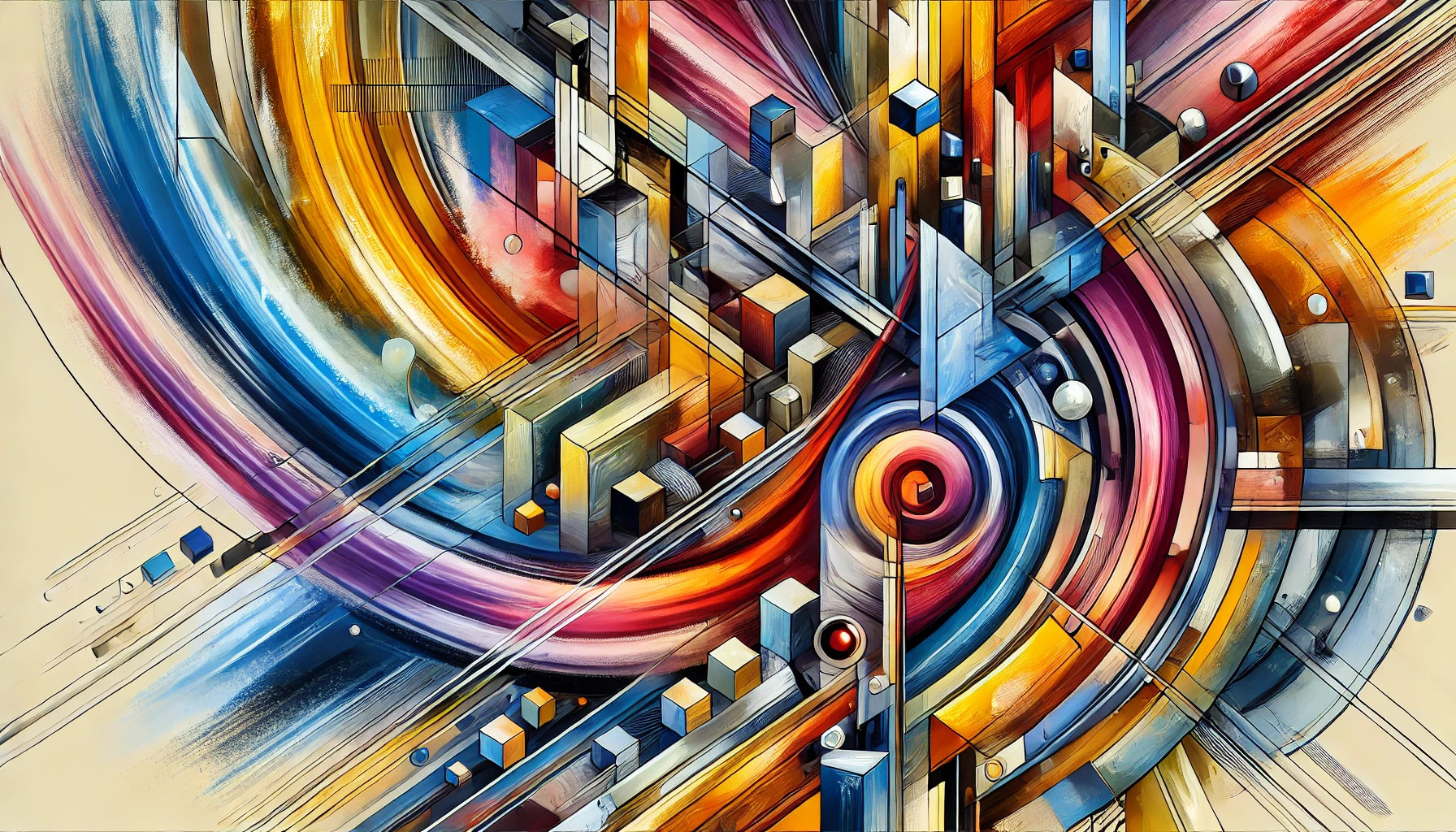
In painting, texture is the feel of the canvas based on the paint used and its method of application.
In computer graphics, a texture is a bitmap image used to apply a design onto the surface of a 3D computer model. See texture mapping.
In materials science, texture is the property of a material's individual crystallites sharing some degree of orientation. It is seen in almost all engineered materials, and has a great influence on material properties.