Oil Painting -> Turpentine
Turpentine is a fluid obtained by distillation from resin obtained from trees, mainly various species of pine (Pinus). It is composed of terpenes, mainly the monoterpenes alpha-pinene and beta-pinene. Alternative names are wood turpentine, spirit of turpentine, oil of turpentine and gum turpentine. It is also known colloquially as just "turps", although this more often refers to turpentine substitute (or mineral turpentine).
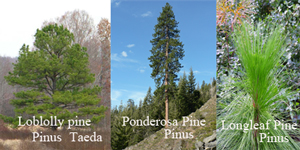
Important pines for turpentine production include:
Maritime Pine Pinus pinaster
Aleppo Pine Pinus halepensis
Masson's Pine Pinus massoniana
Sumatran Pine Pinus merkusii
Longleaf Pine Pinus palustris
Loblolly Pine Pinus taeda
Ponderosa Pine Pinus ponderosa
although one of the earliest sources is thought to be the Terebinth
Pistacia terebinthus or turpentine tree, a Mediteranean tree related
to the pistachio.
Turpentine has been used medically since ancient times.
Applied externally to the affected areas, turpentine is a highly
effective treatment for lice.
Turpentine can be mixed with animal fat as a primitive chest rub
for nasal and throat complaints. Some modern chest rubs still contain
some turpentine (e.g., Vicks).
Internal administration of turpentine is no longer common today,
though it was once the preferred means of treating intestinal parasites.
The two primary uses of turpentine in industry are as a solvent and as a source of materials for organic synthesis.
As a solvent, turpentine is used for thinning oil-based paints, producing varnishes, and as a raw material for the chemical industry. Its industrial use as a solvent in first-world nations have largely been replaced by the much cheaper turpentine substitutes distilled from crude oil.
Turpentine is also used as a source of raw materials in the synthesis of fragrant chemical compounds. Commercially used camphor, linalool, alpha-Terpineol, and Geraniol are all usually produced from alpha-pinene and beta-pinene, which are two of the chief chemical components of turpentine. These pinenes are separated and purified by distillation. A mixture of diterpenes and triterpenes that left as residue after terpentine distillation is sold as rosin.
Turpentine is also added to many cleaning and sanitary products due to its antiseptic properties and its "clean scent".
Turpentine is an organic solvent, and thus poses many of the same hazards as do other substances in this class. It can burn the skin and eyes, damage the lungs and respiratory system, as well as the central nervous system when inhaled, and cause kidney failure when ingested, among other things. It is highly flammable.