Personal Details:
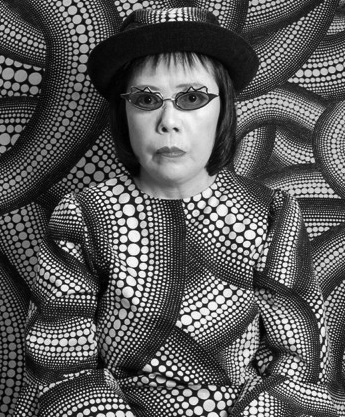
Yayoi Kusama is a Japanese artist who is considered to be one of the most influential and prominent figures in the contemporary art world. She is best known for her avant-garde sculptural installations and paintings, featuring colorful dots and organic shapes. Her work has been exhibited in numerous museums and galleries around the world, and her art has become a symbol of the contemporary avant-garde.
Kusama was born in 1929 in Matsumoto, Japan. She began creating art at an early age, and her mother was her primary supporter and encourager. She studied traditional Japanese painting and calligraphy and began exhibiting her work in the late 1940s. In 1957, Kusama moved to New York City to pursue a career in art. She quickly became a part of the city's avant-garde art scene and was a key figure in the development of Pop Art and Minimalism.
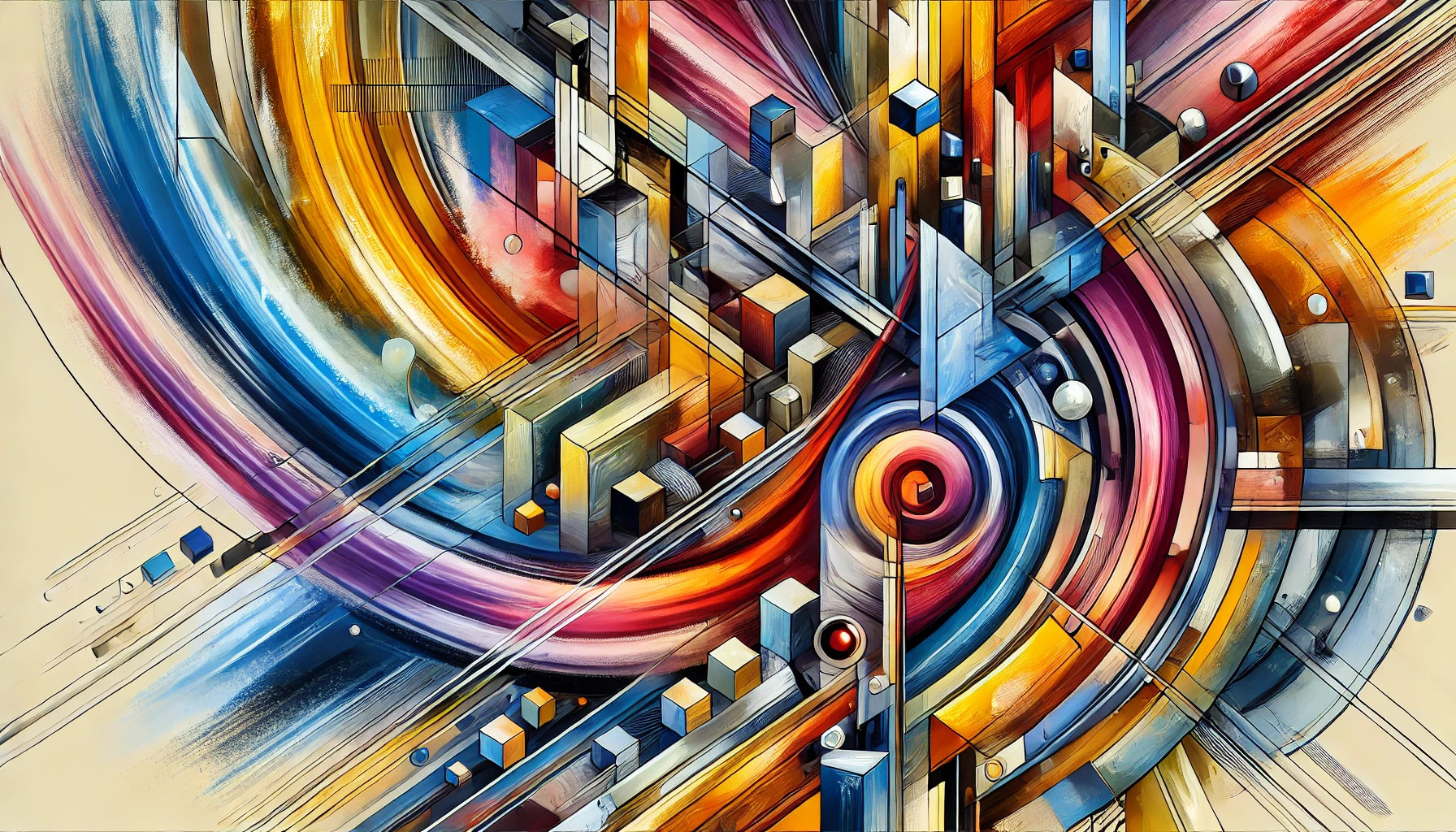
Kusama's art is characterized by her use of intense colors and patterns, often featuring dots, circles, and organic shapes. She is known for her immersive installations, which feature mirrored rooms and objects covered in polka dots. Her art often explores themes of infinity, repetition, and the relationship between self and space.
Kusama has become a major cultural figure in Japan and is often referred to as the "princess of polka dots". She is the first woman to represent Japan in the Venice Biennale, and she has been awarded numerous honors and awards throughout her career. Her work can be found in major collections, including the Museum of Modern Art in New York, the Tate Modern in London, and the National Gallery of Art in Washington, D.C.
Kusama's work has had a profound influence on the art world, and she is one of the most recognizable figures in contemporary art. Her installations and paintings are marked by her unique vision and her ability to explore the relationship between self and space. Her work is a testament to her dedication to her craft, and she continues to be an inspiration to artists around the world.
Yayoi Kusama Collections:
|
|
|